From Manhattan Penthouse to Private Estate: The Pied-à-Terre Tax Effect
by Haute Residence | June 5, 2026
For decades, Manhattan has stood as the defining symbol of luxury living in the Northeast. Prestige, proximity, and convenience justified increasingly compact lifestyles, even among the most affluent buyers. Today, however, a different conversation is beginning to take shape across the luxury market. It isn't about leaving New York City, but about reconsidering where long term value, collections, and secondary residences are best positioned.
Recent discussions surrounding New York’s proposed pied-à-terre tax have only intensified that shift in perspective. For some high-net-worth owners, the proposal raises broader questions about the ownership costs associated with maintaining luxury property within Manhattan. While the legislation specifically targets secondary residences, its impact may be its ability to reshape perception, prompting buyers at the highest end of the market to reconsider whether Manhattan still offers the same sense of stability and exclusivity it once did.
Listing agent Michael DeRosa states, “The proposed pied-à-terre tax has prompted many of my clients to ask a fundamental question: why pay annual surcharges on a Manhattan property when you could redirect that investment toward owning a true estate?”
The conversation is no longer about what must be sacrificed, but about what becomes possible. Buyers are seeking properties capable of entertaining, recreation, and supporting collections without surrendering the convenience and accessibility that modern life demands.
For some, the answer is leading to Upstate New York.
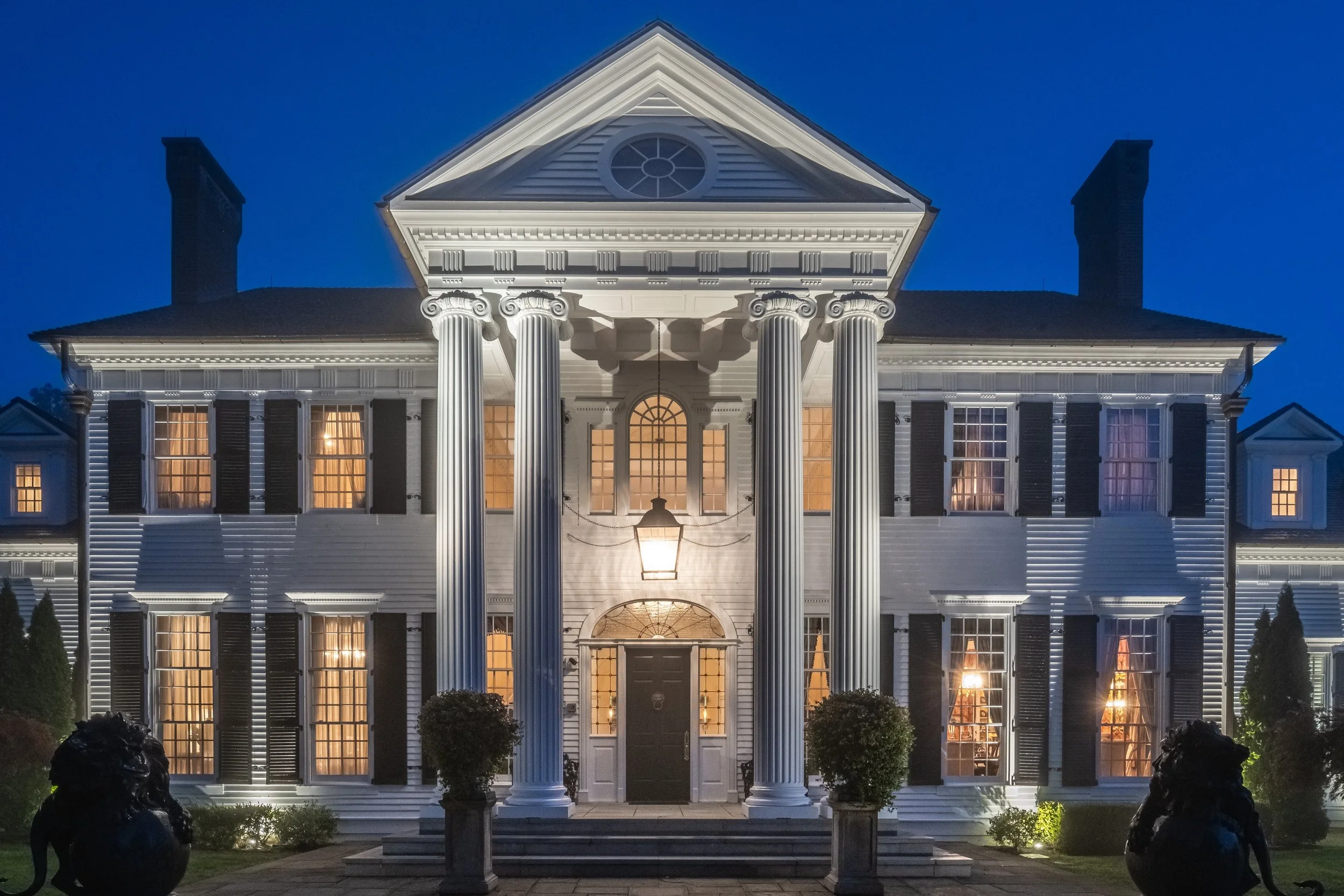
Just outside of Manhattan, 15 Meadowood Lane presents a rare alternative within the Northeast luxury landscape. Set atop 43 private acres, the estate offers a level of scale and permanence that has become difficult to secure near major metropolitan centers.
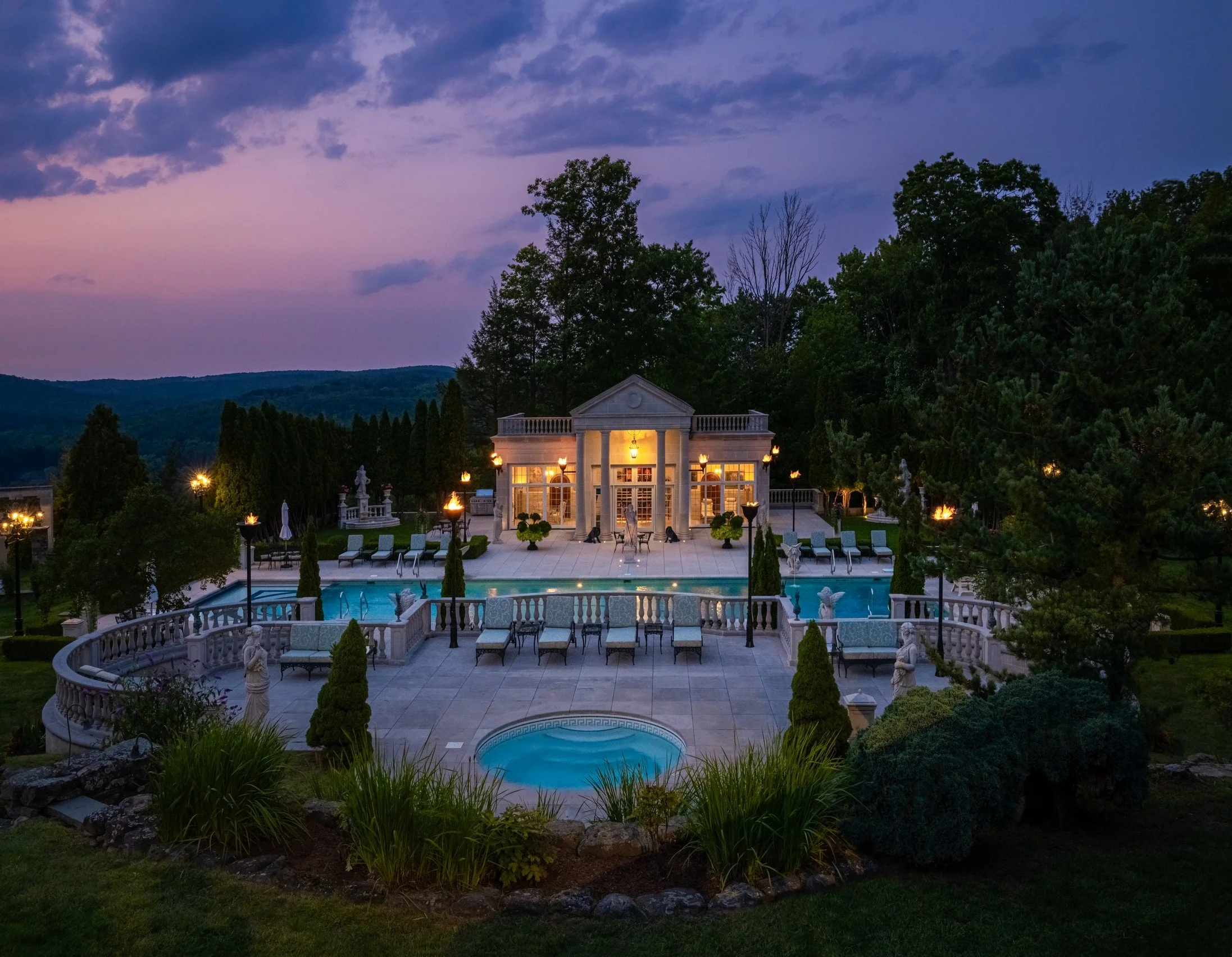
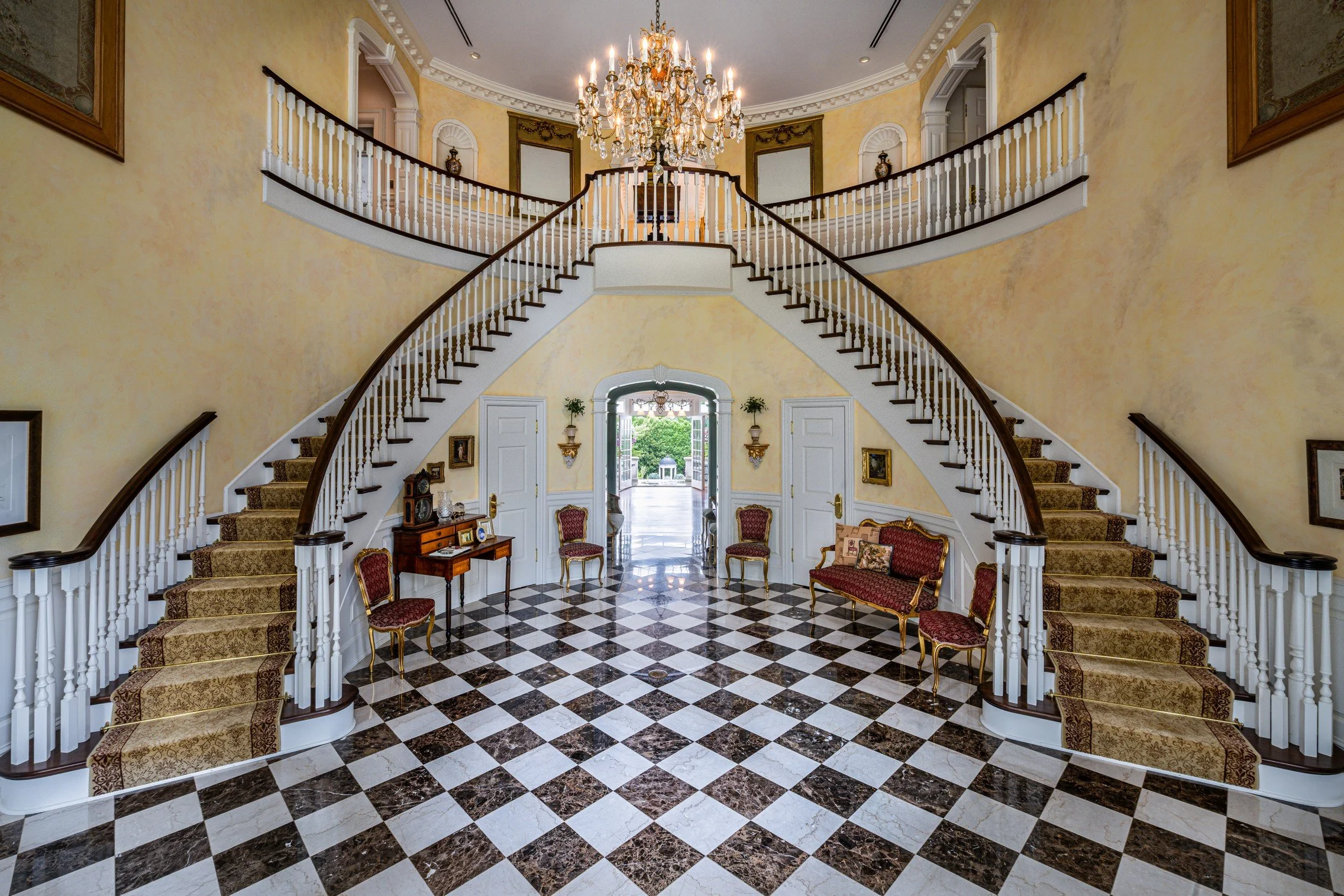
More than 30,000 square feet are distributed across five separate structures, including the principal residence, carriage house, estate manager's residence, spa, and barn. Across the estate are ten bedrooms, fifteen bathrooms, seven fireplaces, and fourteen garage bays, all seamlessly integrated into the property.
The architecture draws from Neo-Classical traditions, with influences rooted in early Southern American and European estate design. Classical columns, balanced composition, and historic detailing give the residence a sense of permanence tied to the architectural traditions of the late eighteenth and early nineteenth centuries.
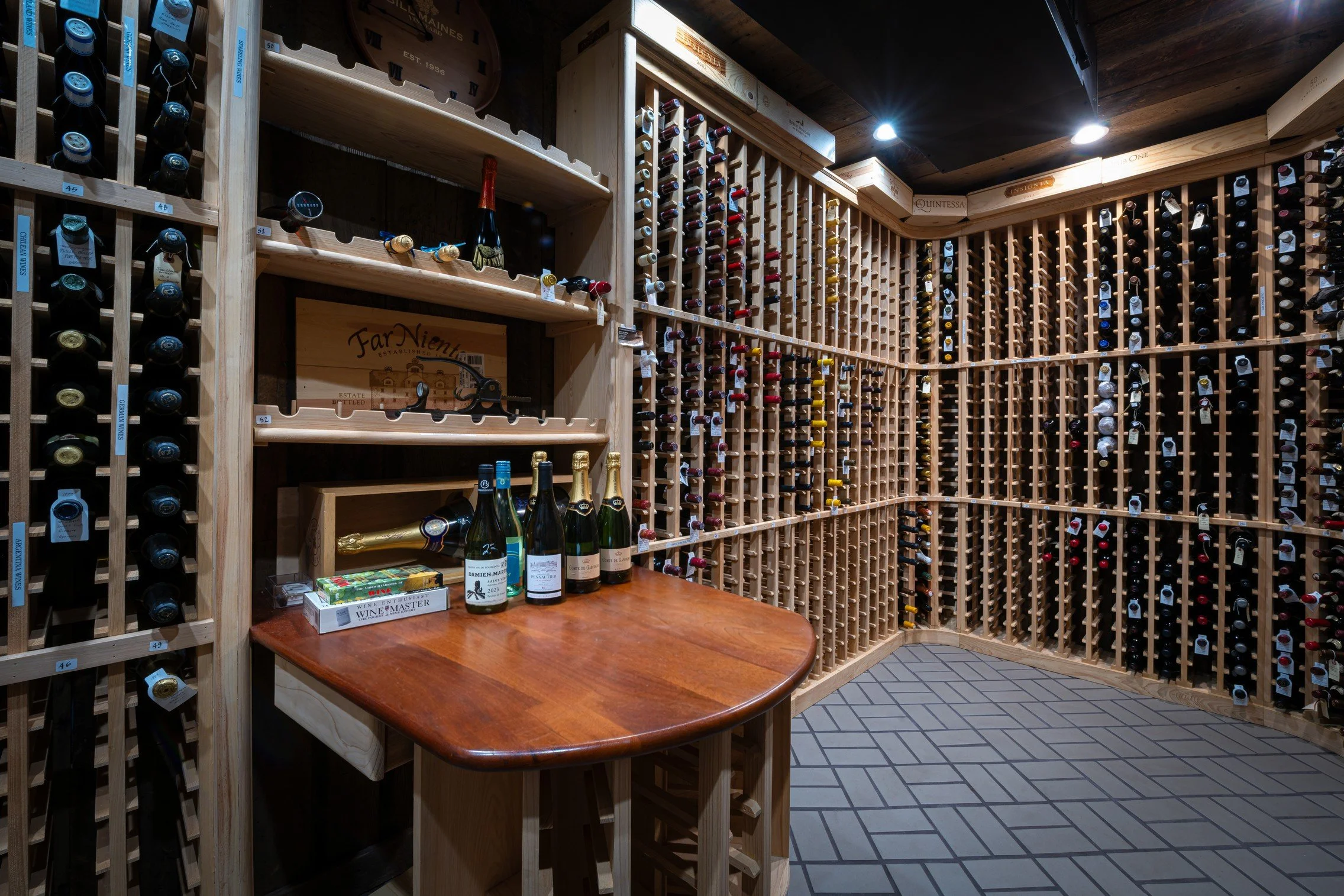
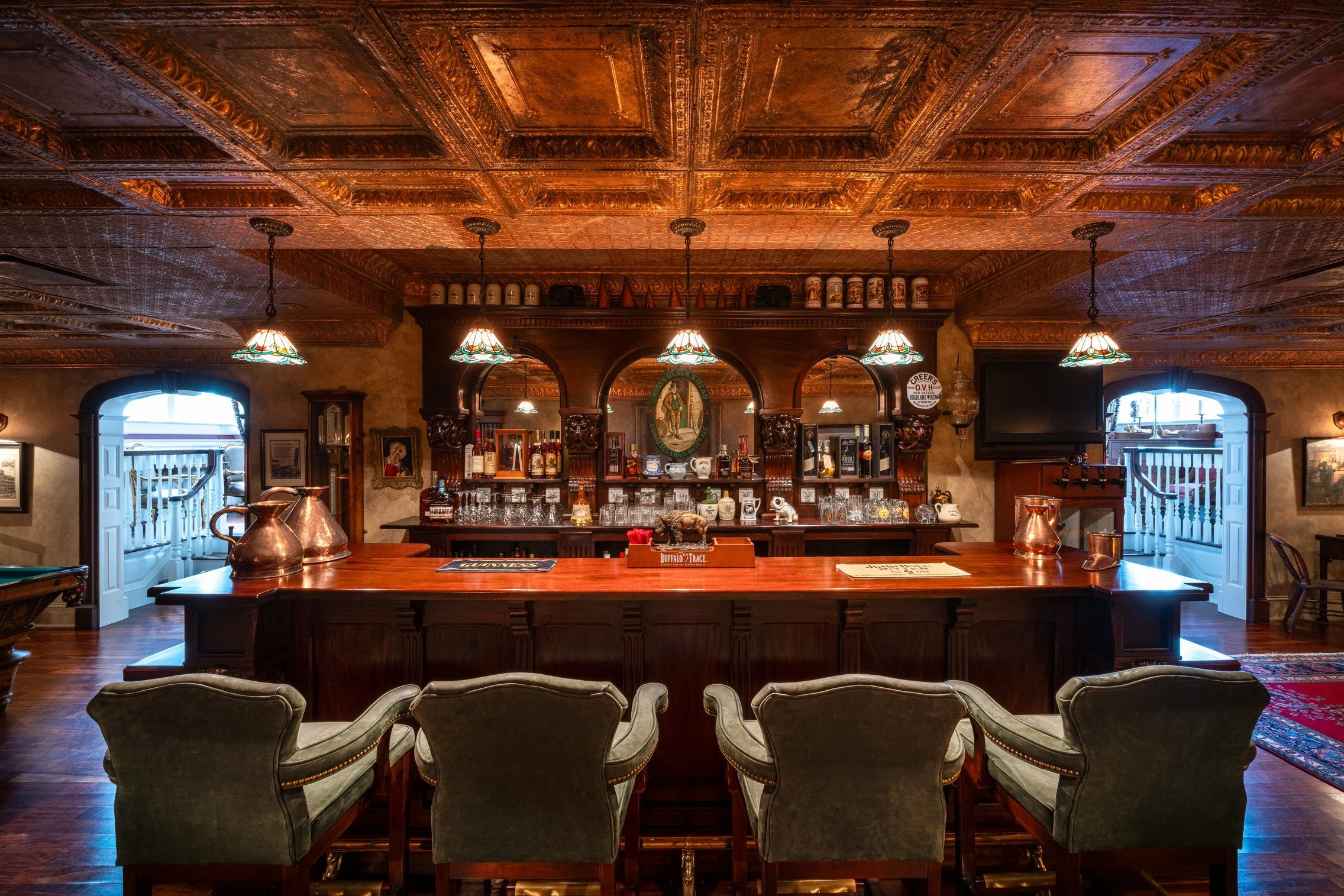
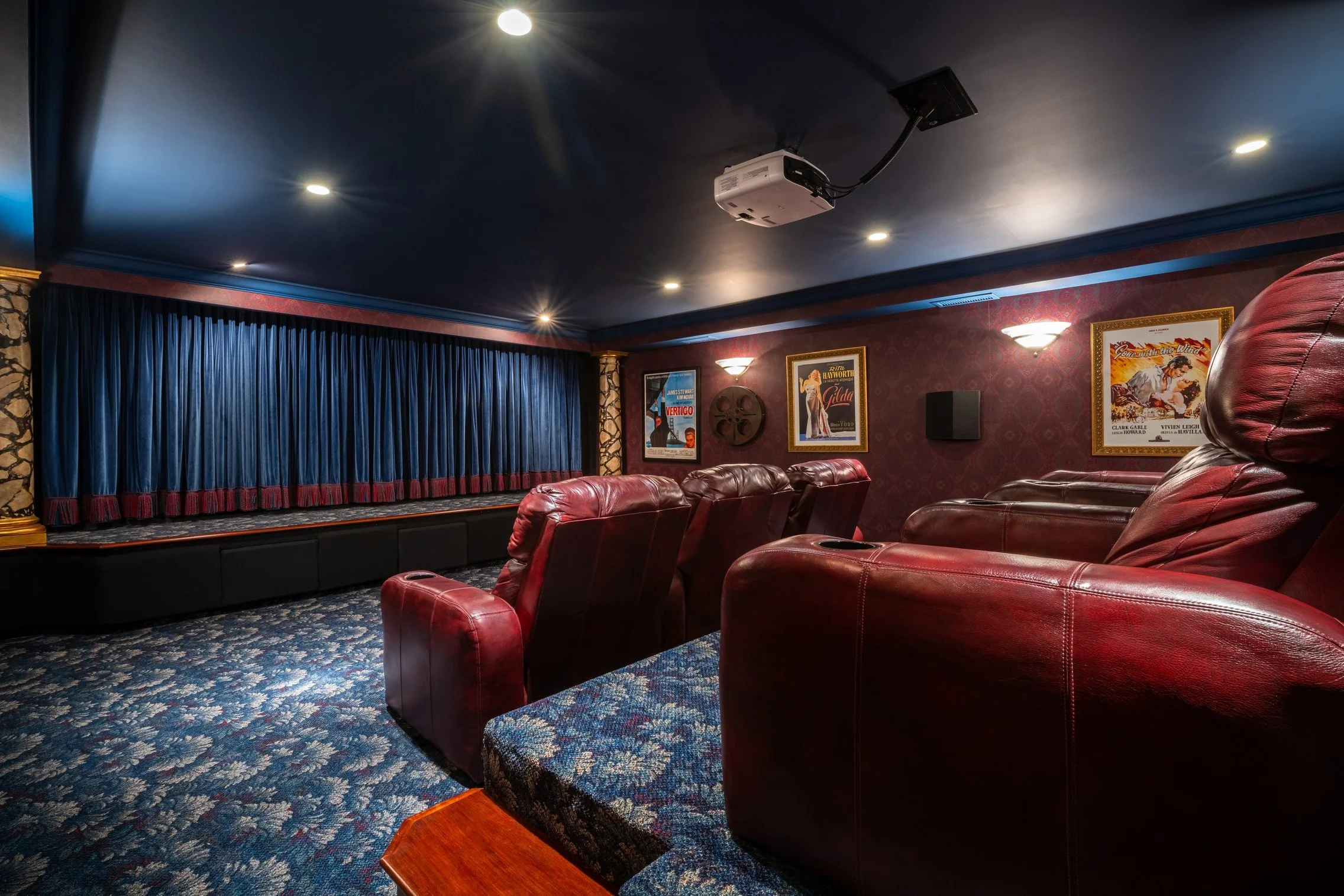
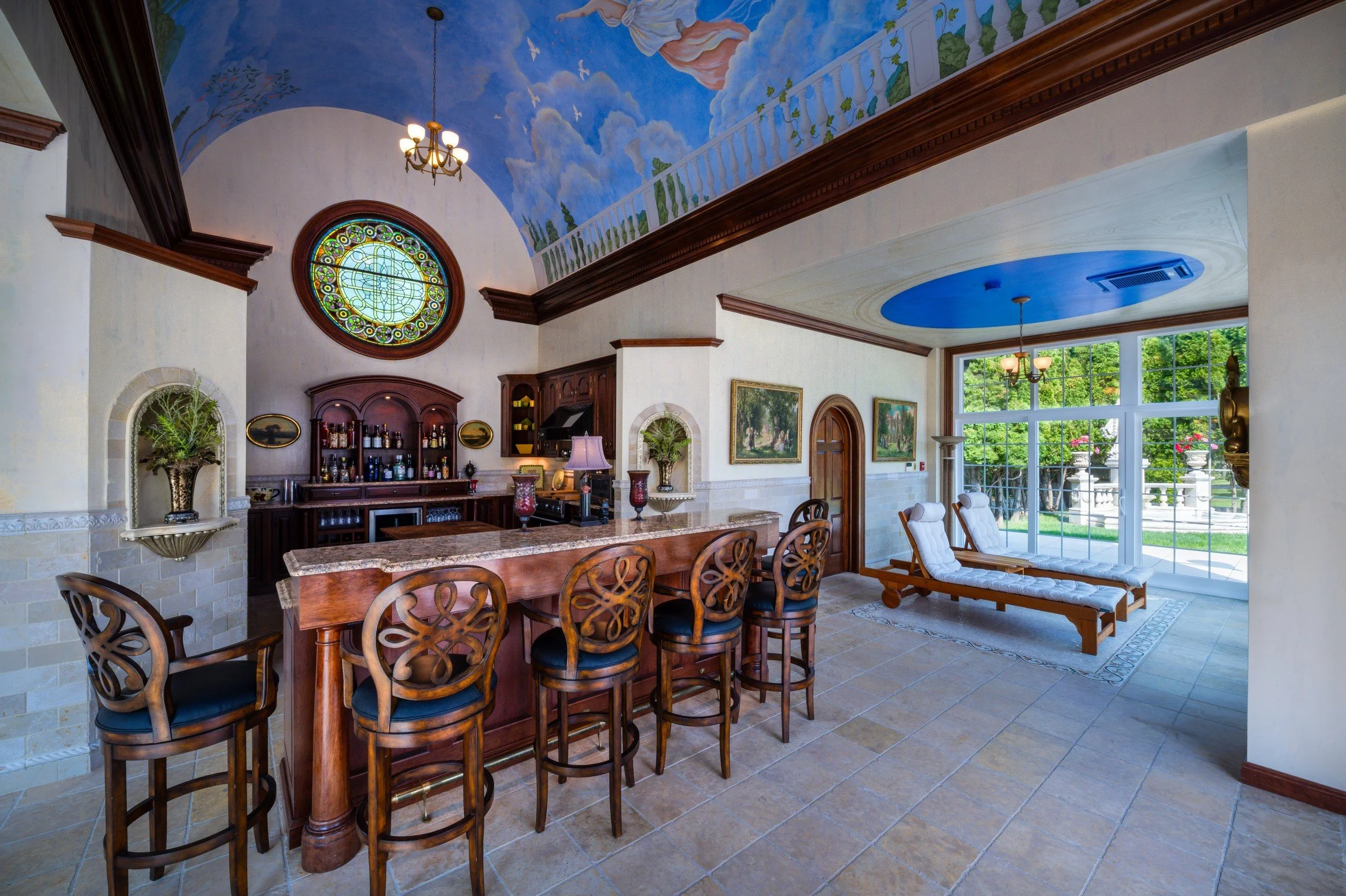
A temperature-controlled wine cellar houses more than 1,300 bottles, a vintage inspired theater brings the experience of a private cinema home, and a 200-year-old bar imported from the historic Guinness Pub on Piccadilly Circus reflects the property's distinctly curated character.
One of the clearest expressions of Meadowood's capacity is found within its two-story carriage house. Arched openings reveal a private automobile gallery housing a significant collection of performance vehicles, while the structure itself reflects the dimensions and flexibility that define the estate as a whole.
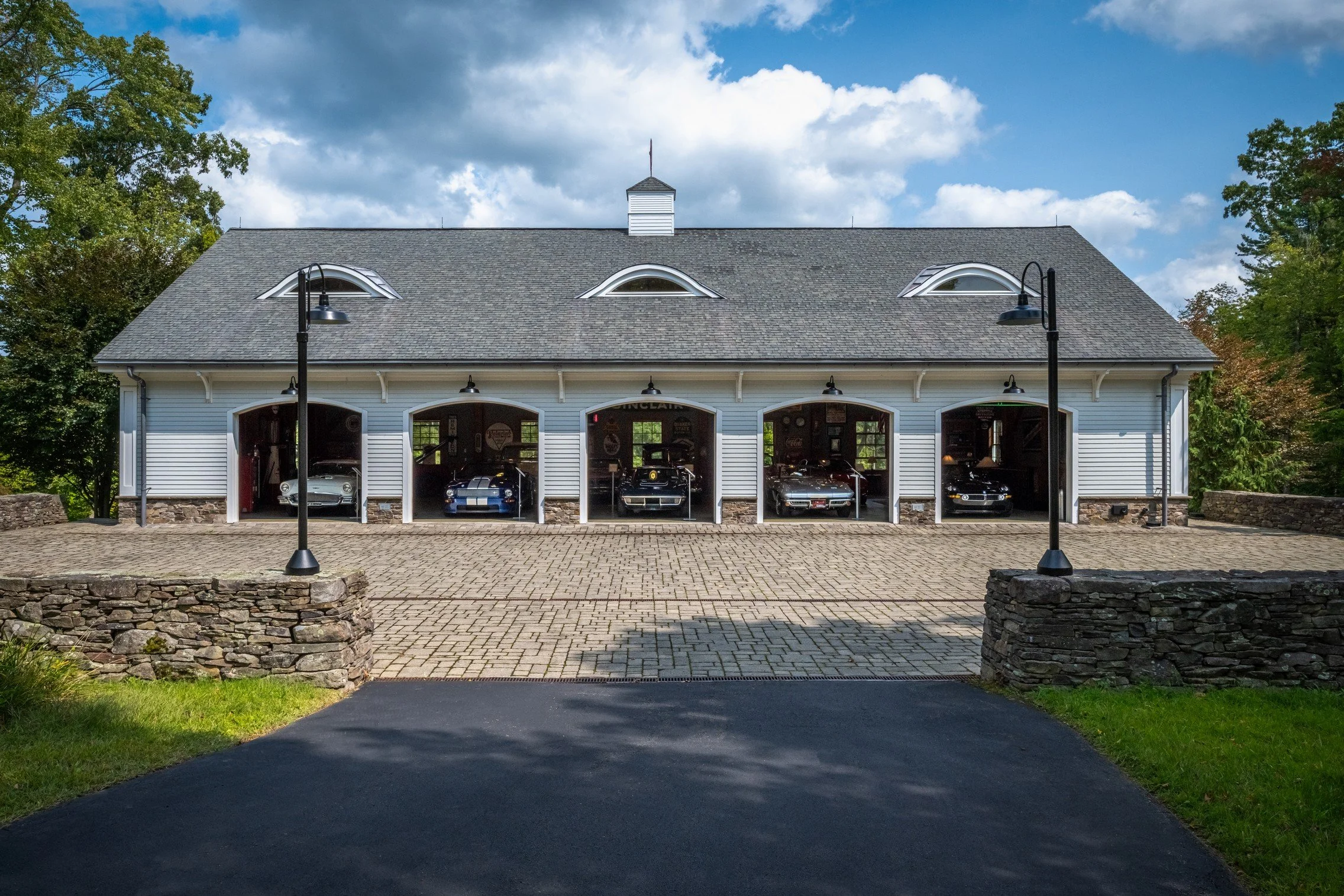
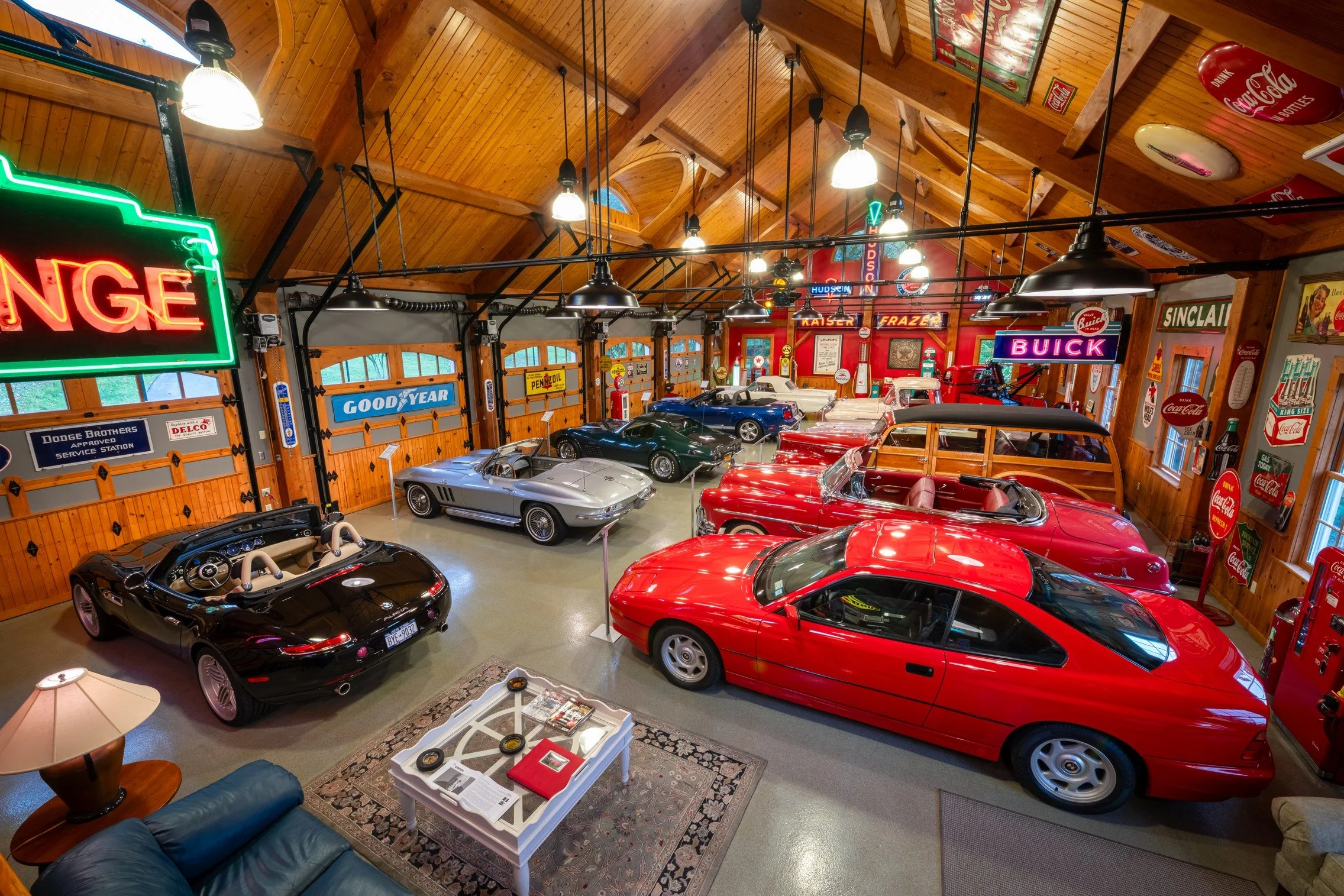
DeRosa notes, “For collectors, the comparison is clear. Under the proposed tax, a Manhattan pied-à-terre could carry significant annual costs, while Meadowood offers secure, climate-controlled space for automobiles, art, and collections beyond the constraints of urban ownership.”
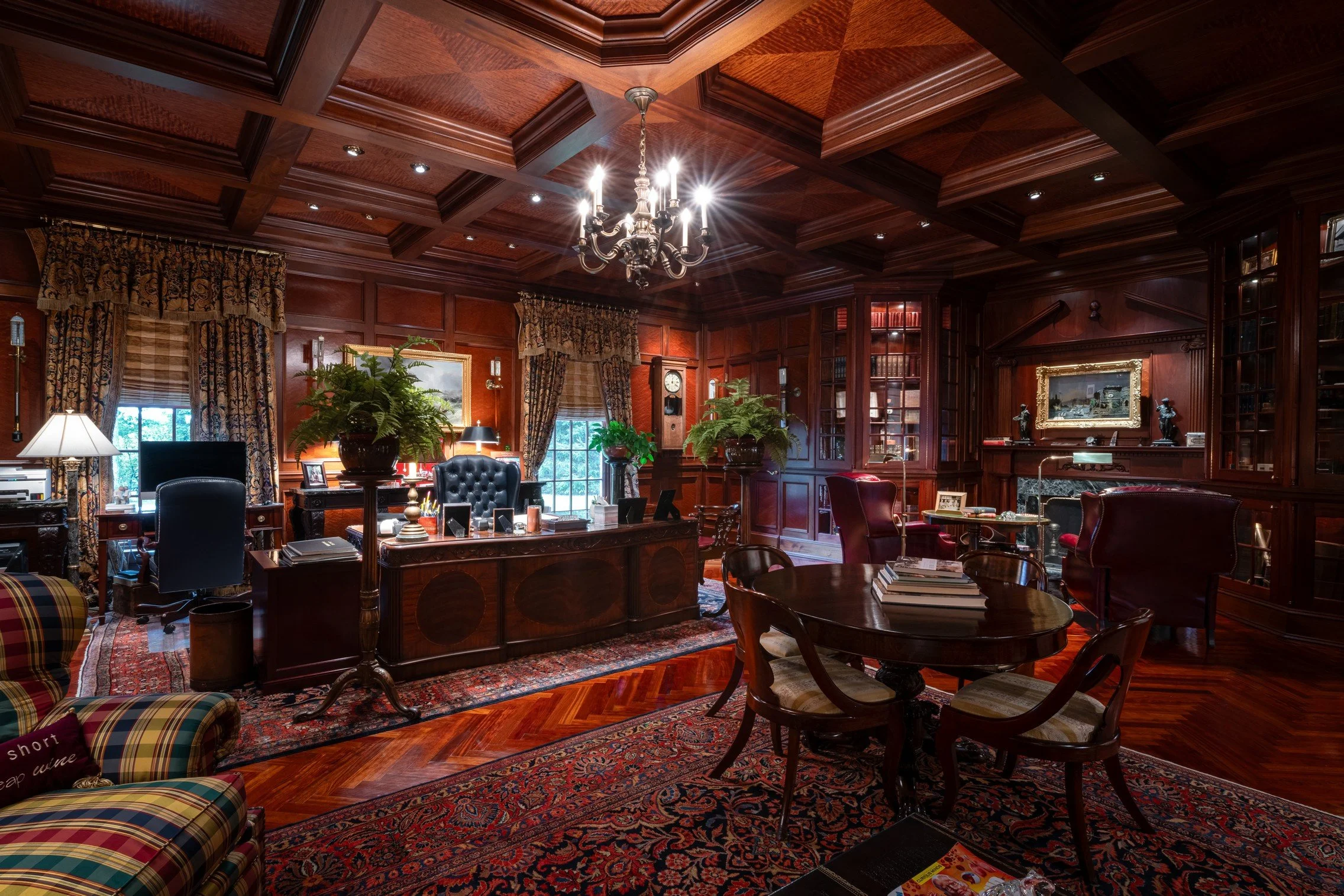
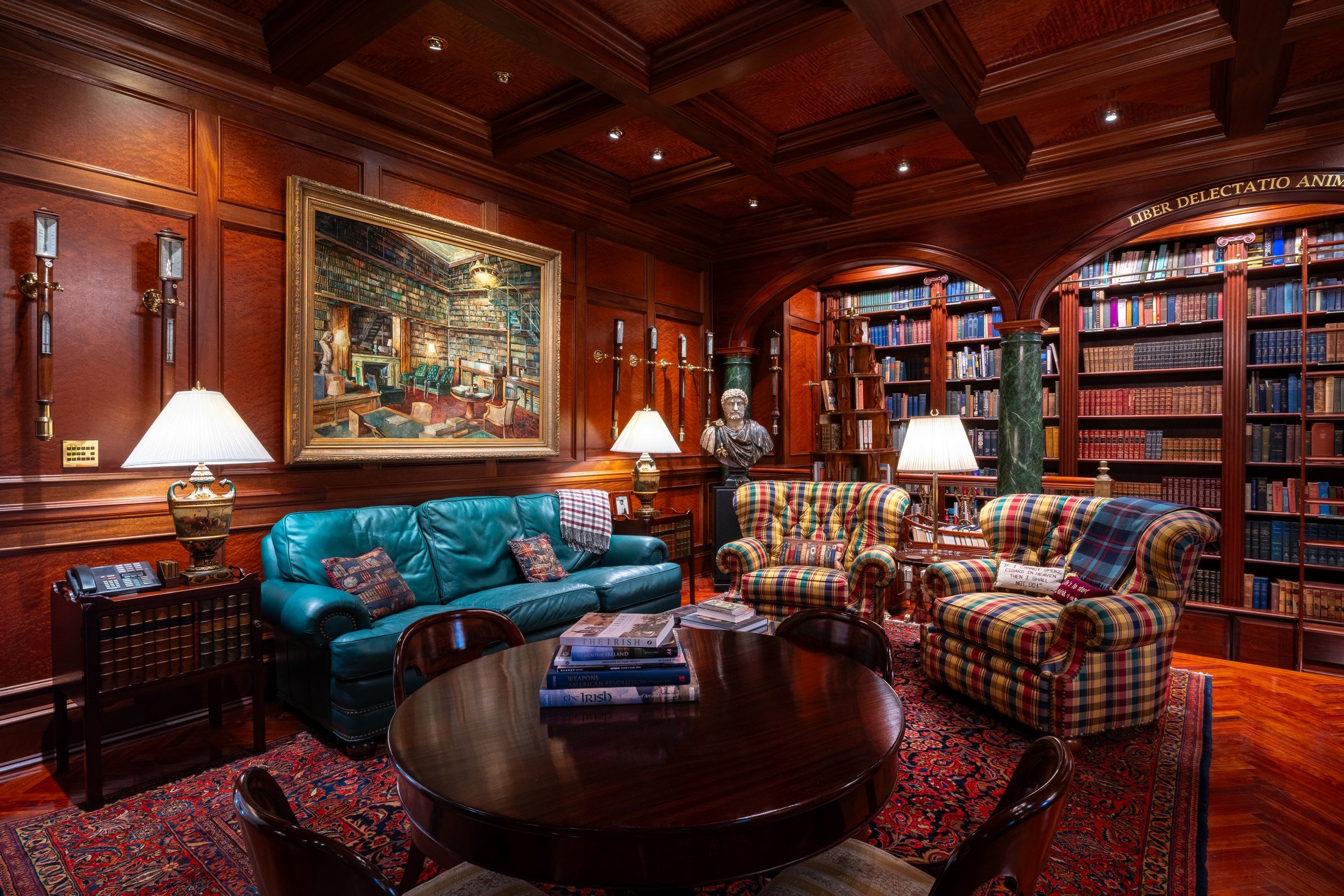
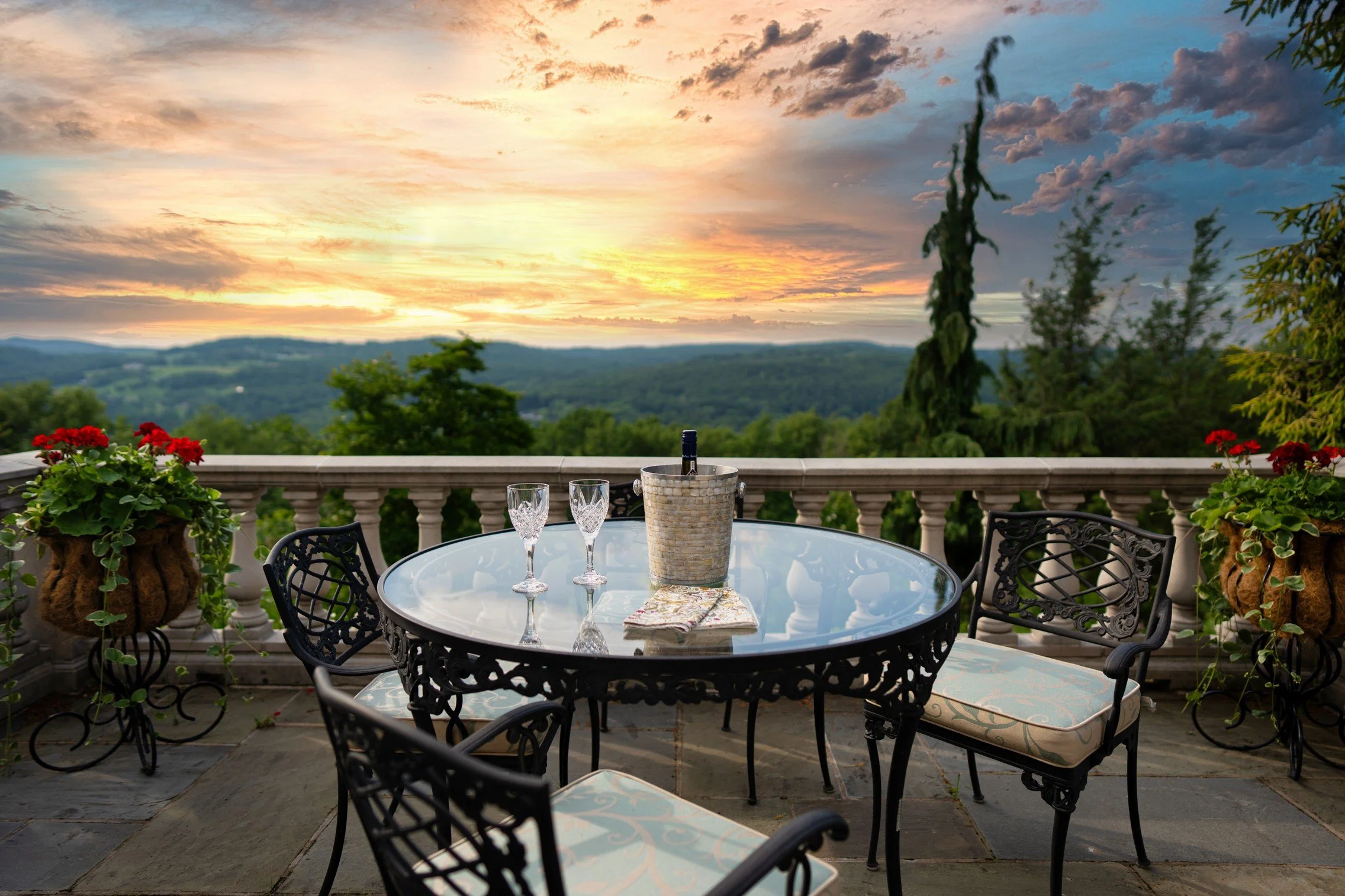
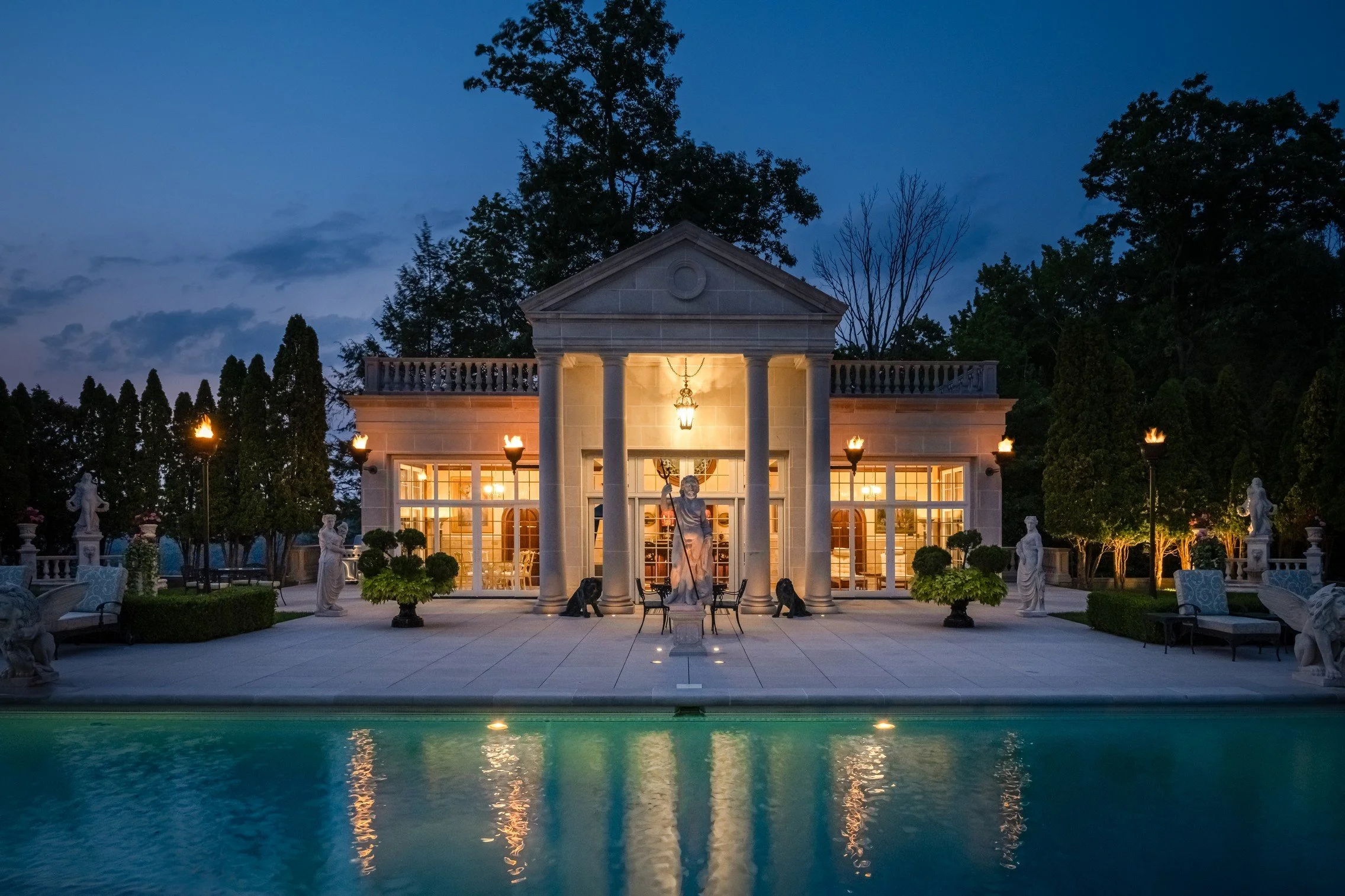
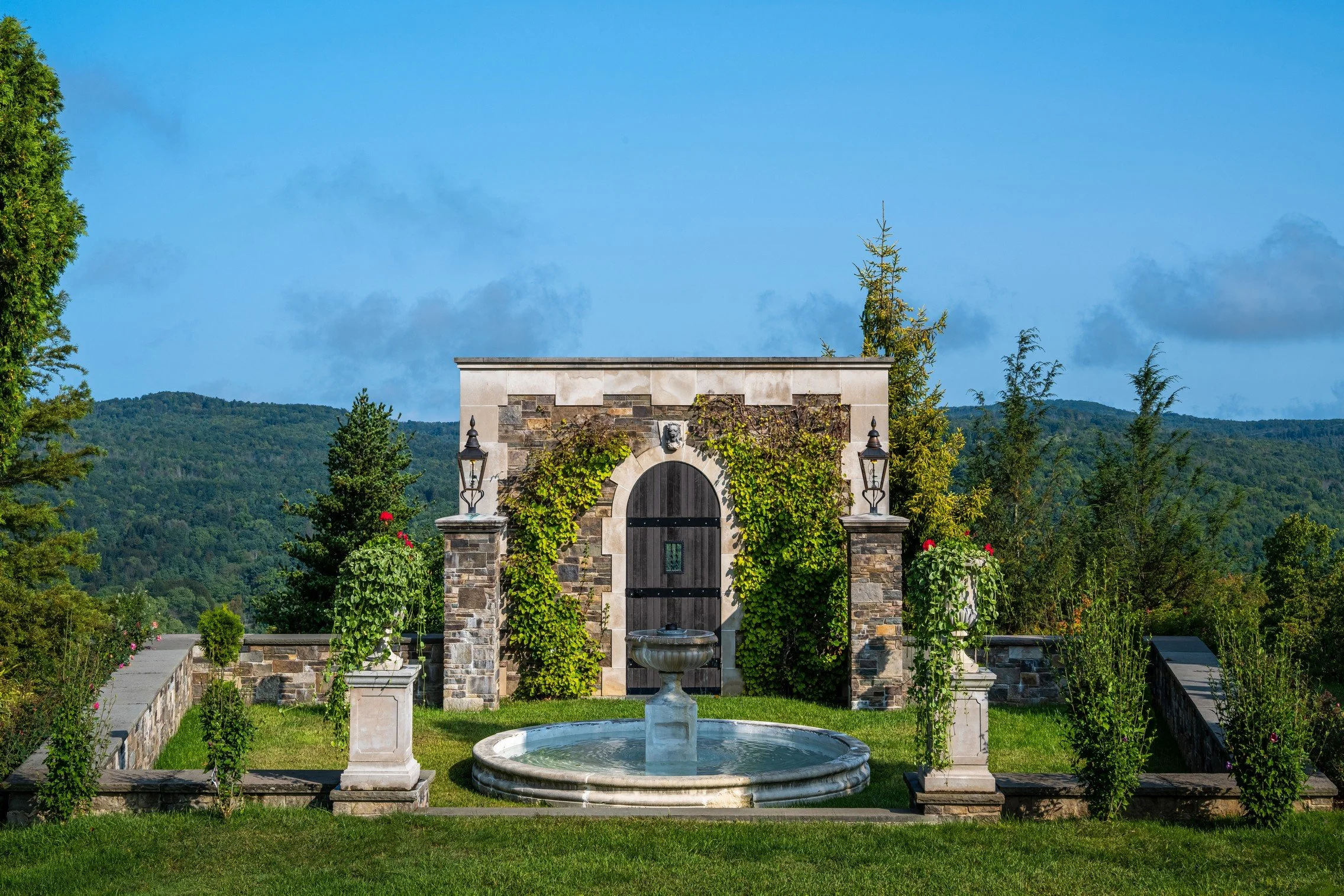
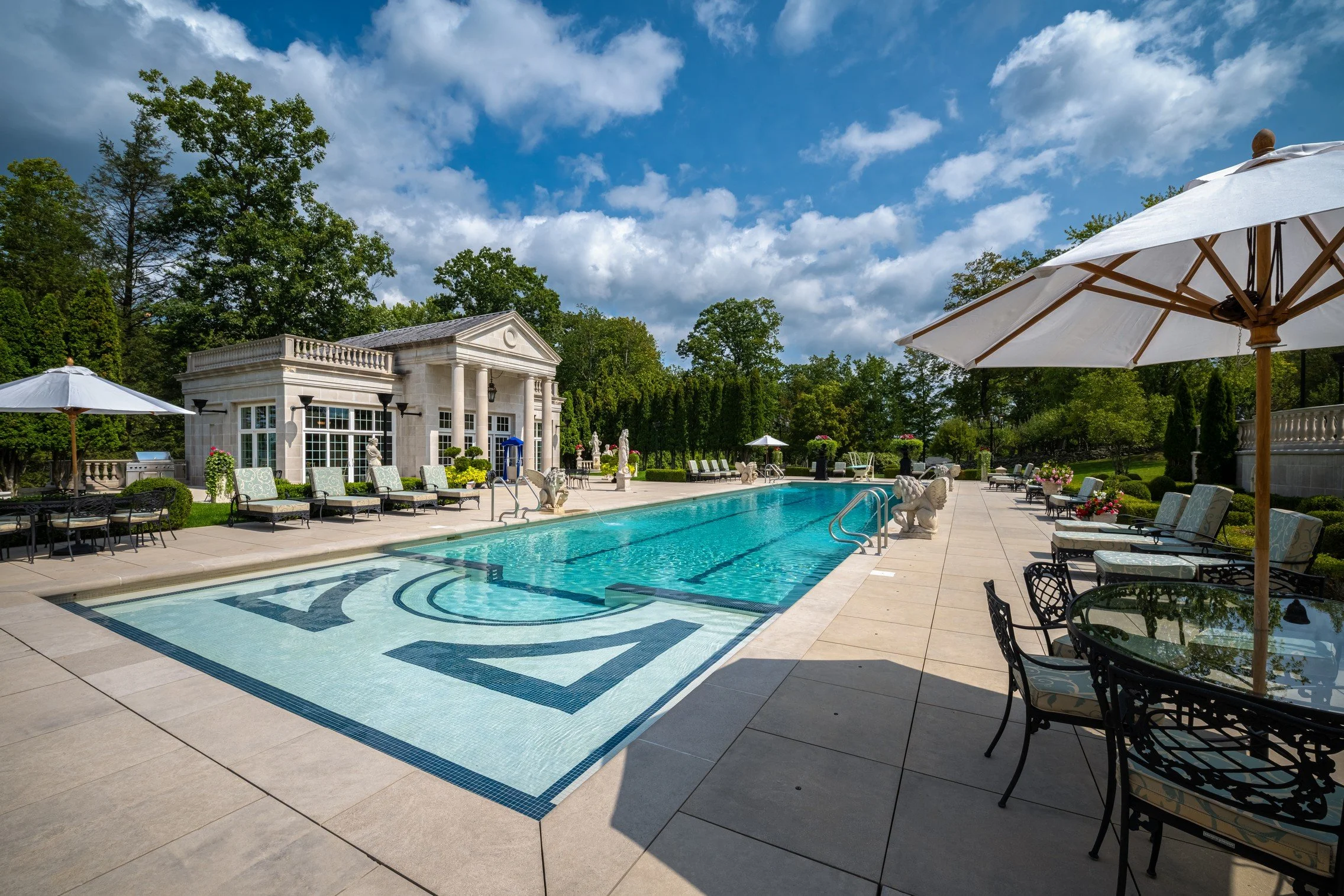
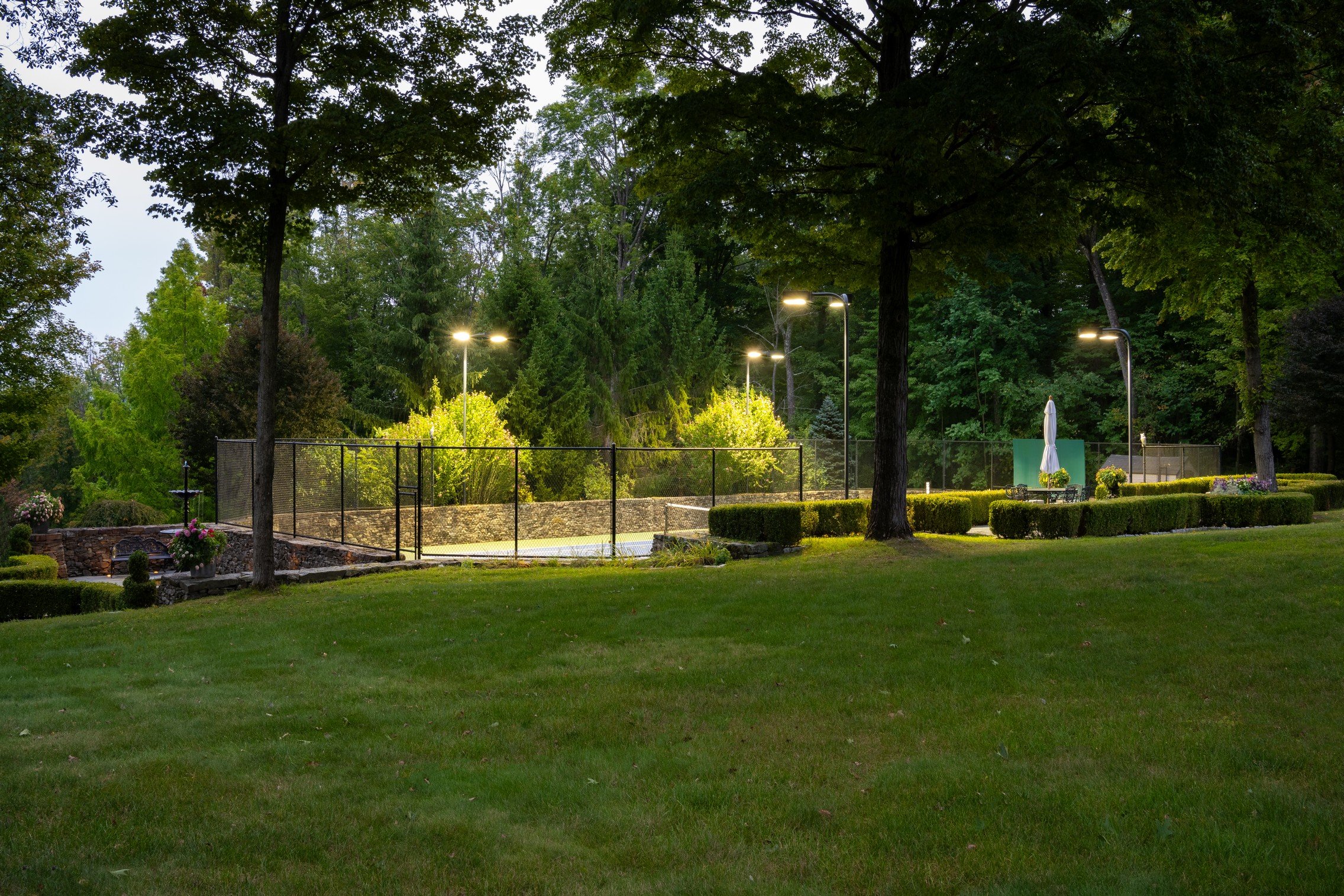
Outside, the grounds unfold through orchards, terraces, picturesque gardens, private vineyards, a professional tennis court, fountains, an outdoor heated spa, a secluded secret garden, and an eighty-eight-foot limestone-framed pool that centers the landscape.
Beyond its architecture and amenities lies a more practical consideration. For many accomplished individuals, time has become the rarest luxury of all. Properties such as Meadowood offer something increasingly difficult to replicate in today's luxury market.
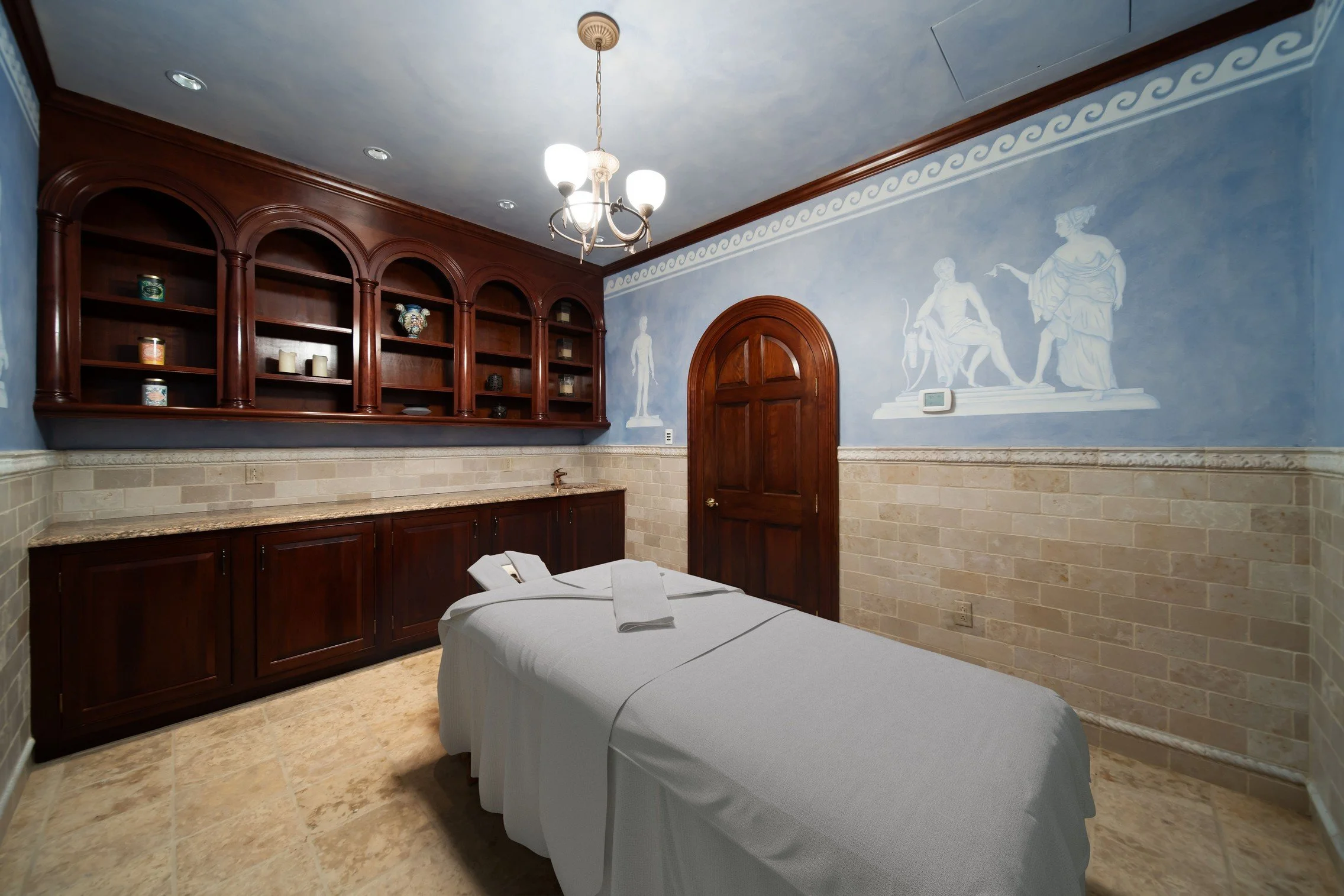
DeRosa adds, “Meadowood stands out because it is complete. With more than $53 million in documented replacement cost, it represents something that cannot be recreated through capital alone. The true value lies in the decades of planning, craftsmanship, landscape maturity, and stewardship already invested. Money can build structures, but it cannot accelerate time.”
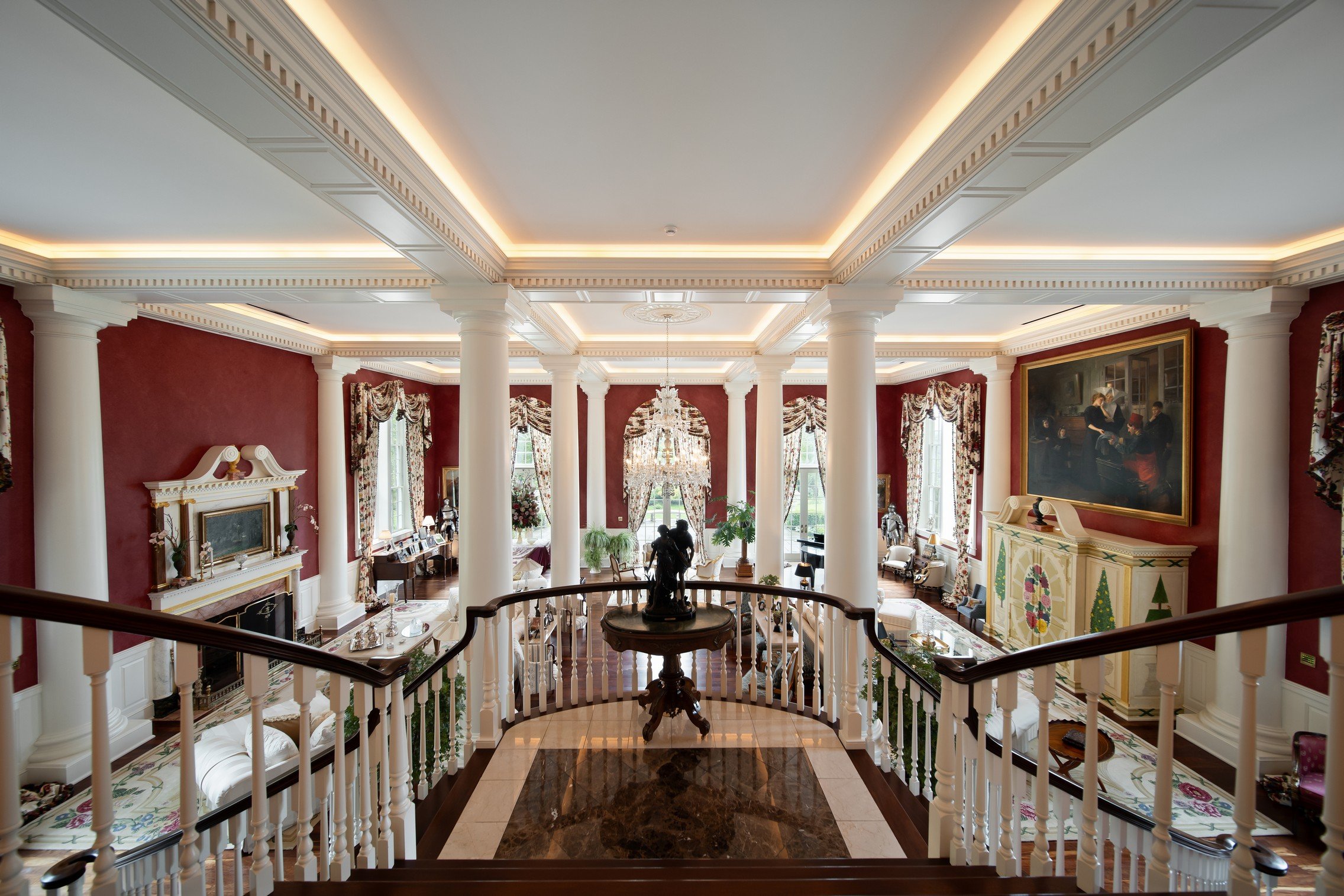
That observation may ultimately define Meadowood's greatest distinction. While replacement cost provides a measurable benchmark, it does not fully capture what has been assembled here.
The mature landscape, architectural continuity, curated collections, and decades of thoughtful custodianship found throughout Meadowood reflect years of cultivation and refinement.
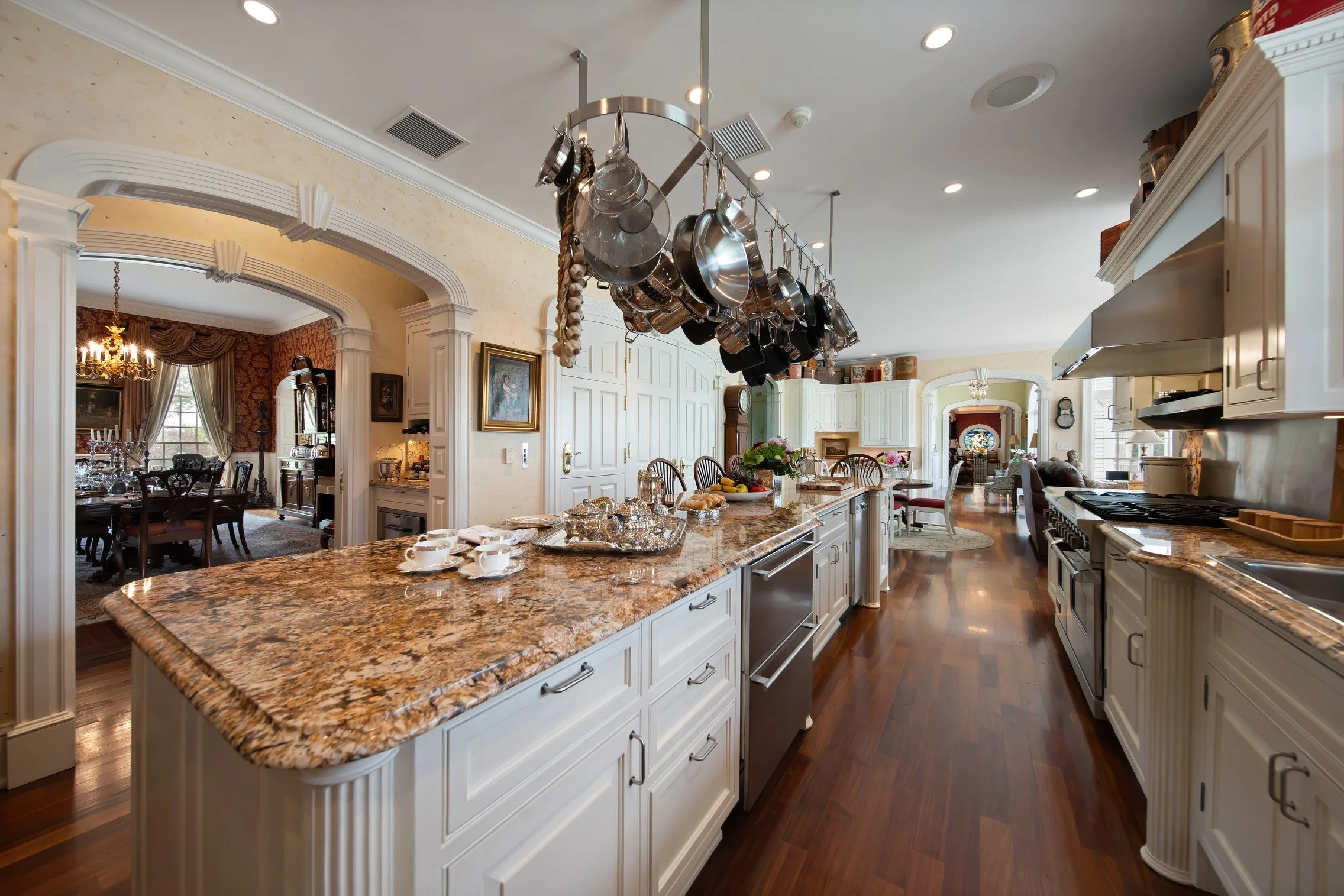
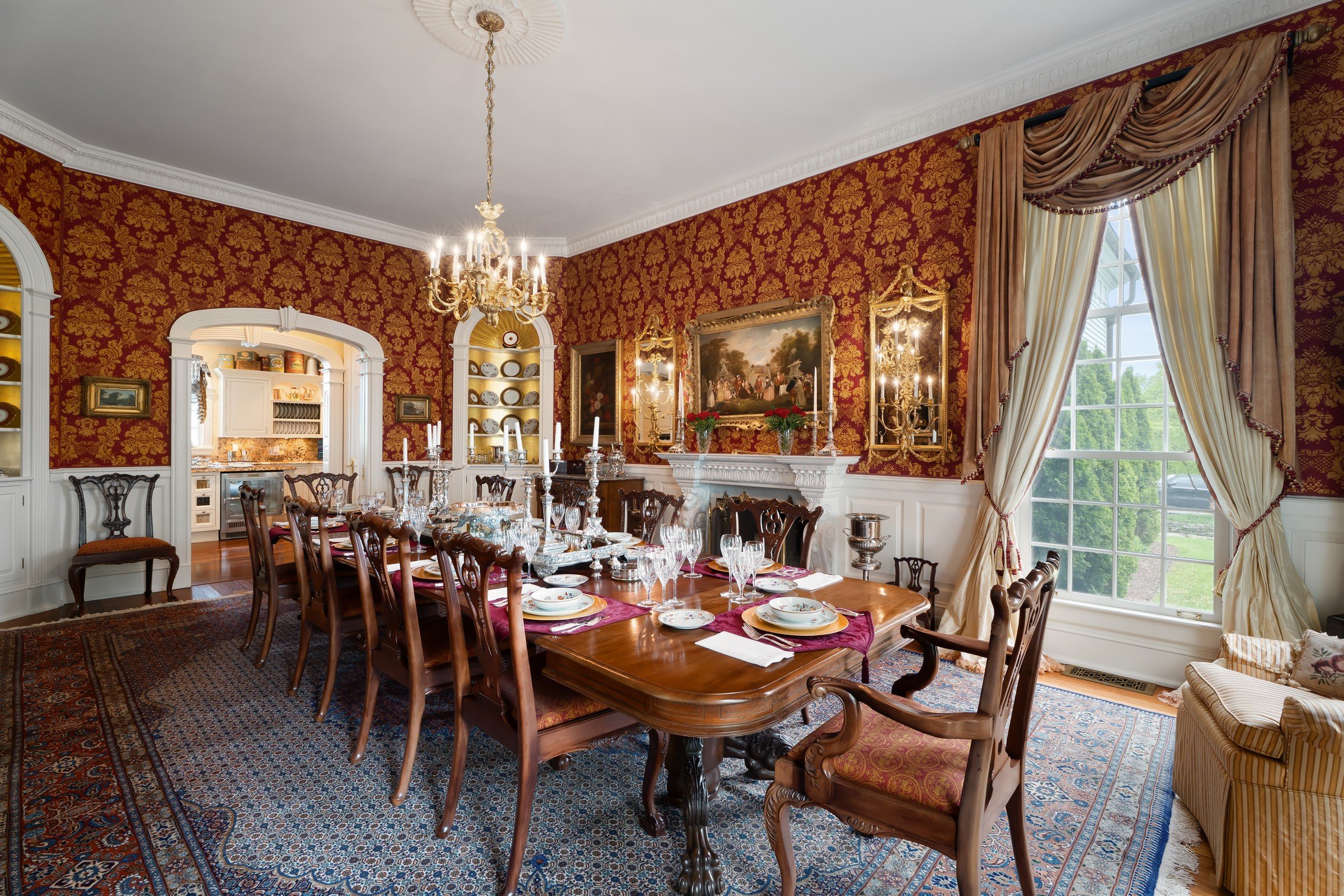
For the next owner, the opportunity is not simply to acquire an estate, but to inherit the benefit of time already invested.
Perhaps that is Meadowood's greatest rarity. In an era when luxury can often be purchased, upgraded, or expanded, the passage of time remains one of the few things that cannot be accelerated.
Private inquiries for 15 Meadowood Lane are now being accepted.